Hypertrophic Cardiomyopathy (HCM) is thickening of the heart walls. Eventually, this thickening reduces blood flow or causes blood clots. This thickening can show as early as six months, or as late as 6 to 7 years of age. Hypertrophic cardiomyopathy what is the extremely prevalent in the Siberian breed at one time. Response breeders monitor for a heart disease using routine echocardiograms.
Pedigrees were compiled for all reported HCM cases and then reviewed for ancestral commonalities. In some lines, HCM occurred in each generation, providing a clear path to identifying a potential ancestor. Other cases proved to be much more difficult either because of skipped generations or the lack of reporting by breeders.
HCM in Siberians seems to have multiple points of origin and several different strains (genetic types). Siberians are a young breed with excellent genetic diversity, although the vast majority are descended from St Petersburg or Moscow. Siberian Research was able to identify six potential points of origin where HCM could have entered the Siberian breed. Each began in distinct geographical regions, which made identification easier.
Ars Ussuri – (Moscow) – Revised 2013
About 55% of reported HCM cases have Moscow ancestry. The original “Golden Siberians” (now Sunshine or CORIN) were small cats with unstable genetics. The Onix Gloria cattery bred father/daughter and brother/sister for four generations to create the Golden lines. To improve size and conformation, they used siblings, Amur and Aldan Abakan. In some pedigrees, Amur or Aldan were present 14 times in three generations. Unfortunately, both siblings had HCM. This severe inbreeding fixed HCM into the golden lines. Until DNA tests for HCM in these lines are available, Sunshine Siberians should receive routine echocardiograms.
Affected: Amur Abakan – Aldan Abakan – Verinea Sibiriada
Jelena Jesim iz Amu-Darja – (Germany)
A arge number of HCM cases lead back to Jelena Jesim, as the Snowknight cattery was a foundation for German lines. Jelena is present in 35% of all documented cases of HCM, and the sudden death of Jelena Jesim has was also taken into consideration. There are no cases of HCM where any ancestor of Jelena Jesim is present and Jalena is not. It is reasonable to assume that there may be a pedigree error (accidental or deliberate ), or a new mutation occurred in her generation. Three offspring of Jalena Jessim have shown HCM in their offspring.
Affected: Snowknight Casylin – Snowknight Destiny – Snowknight Derringer
Saranka – (St. Petersburg)
Siberians from the Saranka lines show changes in the septal wall and papillary muscles before affecting the left ventricular wall. The type of HCM in these cats were grouped to find a common ancestor. Saranka appears to be the only possible point of origin. The earliest pedigrees show Saranka as “foundation”. Ancestors listed on later pedigrees were not associated with HCM.
Affected: Saranka
Zemfira Amurskaya x Ralmond Marcell – (St. Petersburg)
Jenisey Silva Line was diagnosed with severe HCM. Three siblings from an earlier mating of Ralmond Marcell and Zemfira were imported to Sweden in 2000. All three (Berta, Betsi, Brus) died at an early age.
Affected: Ralmond Marcel
<\p>
Anfisa II – (St. Petersburg) – Revised 2013
Three early deaths were reported on this line. Yustas of Croshka and two siblings were imported to the US in the early 90‘s. Multiple offspring from their litters were found to have HCM, though these cases occurred when ultrasound and necropsies were uncommon. Two of these lines are not in breeding, but four new cases of heart disease in these lines surfaced in 2009. Several major lines in the USA are at risk, we do not know if these lines exist outside of the USA.
Affected: Arahmis – Iris Aralia – (possibly others)
Zanadu Siberians – (USA)
The first case of HCM reported in the USA was Windrifter Cholchinay of BirchGrove. This US line had multiple deaths and echocardiograms confirming heart disease. Zanadu Siberians graciously released records that occurred in their cattery. As of 2005, these lines were only found in the US
Affected: Raskolnikov of Zanadu
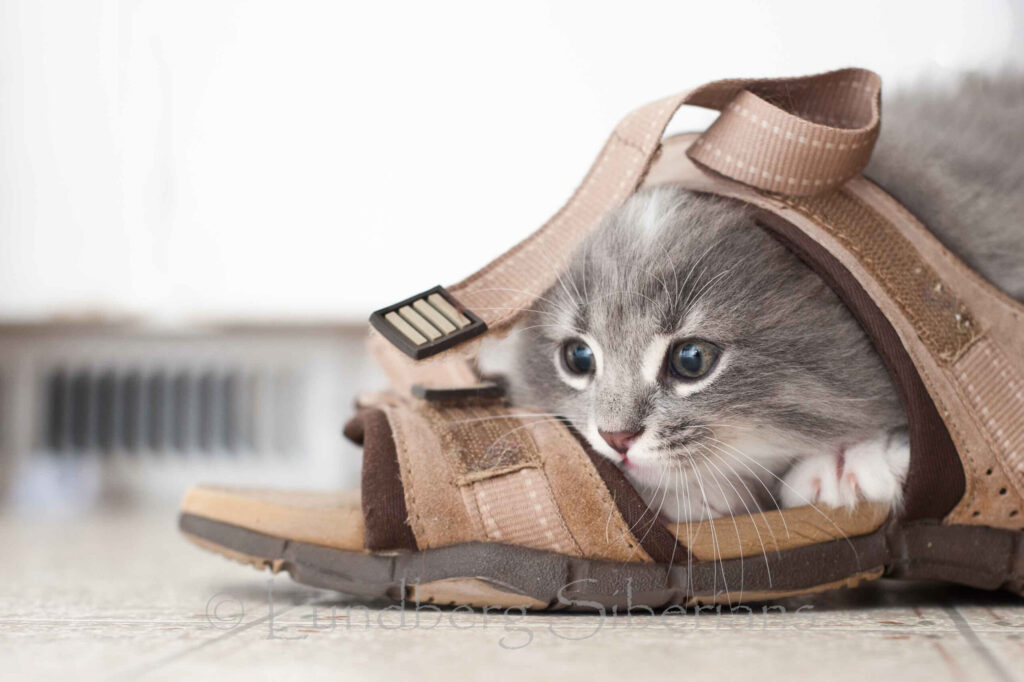
Photos courtesy of Lundberg Siberians – all rights reserved.
Disease information is provided by Siberian Research without copyright protection.