Genetic diseases are difficult to track, but responsible breeders should always keep in touch with pet buyers, and chart every occurrence. It takes a considerable amount of data to verify a line is comprised. Each breeding cat should undergo an extensive annual examinations for early signs of disease.
It is not possible to eliminate all genetic diseases from a breed, but responsible breeders minimize exposure. We encourage breeders to study genetic diseases found in Siberians, and how they are passed to offspring. Veterinary examinations of sires and dams should screen for these issues. Siberian Research compiled health records on hundreds of Siberians, and studied the lines involved. Like other breeds, some health issues are common in Siberians. The most severe genetic diseases in Siberians are listed below.
- HCM ~ Hypertropic cardiomyopathy
- PKD ~ Polycystic kidney disease
- FLUTD ~ Urinary crystals
- FGS ~ Feline gingivitis-stomatitis
- KIT ~ Cancer in solid white Siberians
- PK Deficiency ~ Pyruvate Kinase Deficiency
Other genetic diseases that we found, but either few cases were seen or the conditions were less disabling. Some of these included: Hip dysplasia, Tail kink, Wry jaw, Lupus, Corona susceptibility, and Juvenile Polyneuropathy. Cats with any notable defects should be removed from a breeding program.
in addition to disease, Siberians are also bred for low allergen. While half of Siberians allergen levels substantially lower than other breeds, only 15% of Siberians are low enough to place in homes with severe allergic reactions. Large-scale testing by KittenTesting has proven that low allergen parents generally have lower allergen kittens – but that not all kittens from low-allergen matings are low. Reducing allergen should not be the only quality for selection of breeding Siberians, but this unique characteristic should be maintained in the breed.
Multiple factors should be considered when selecting a Siberian. Each cattery has different goals, but the same decision tree applies. Show breeders start with show confirmation, while most first-time breeder start with color. My recommendation is purchase the healthiest cats possible. Use the following list to establish priorities before purchasing breeding sires and dams. We recommend families use this same list when selecting a cattery.
- Show Quality
- Conformation to Standard
- Color or Pattern
- Temperament
- Genetic Health Risks
- Cattery Health Risks
- Low Allergen Levels
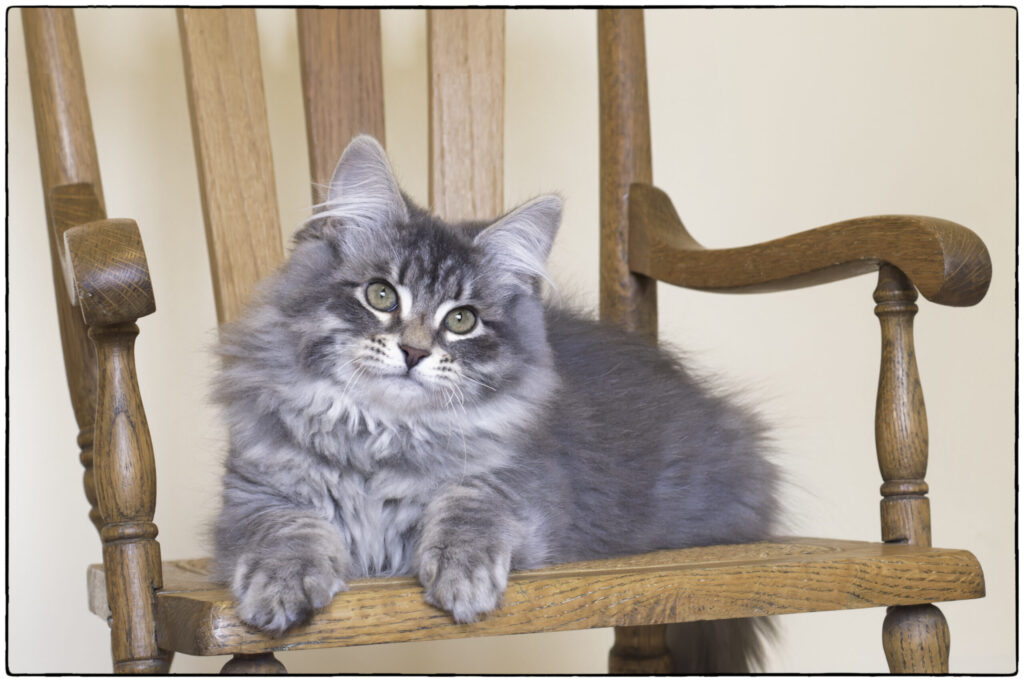
Photos courtesy of Lundberg Siberians – all rights reserved.
Disease information is provided by Siberian Research without copyright protection.