Many Siberian breeders (as well as breeders of Sphinx and Cornish Rex) have made misleading claims about allergen levels. By 2005, Siberian Research had tested over 300 Siberians and studied kittens from over 100 matings, We performed considerable research into allergens levels of Siberians and other breeds. By 2025, KittenTesting has measured allergen in over 1200 kittens. Some of the more common misleading ideas are below.
Myth – Siberians produce no Fel-d1 allergen
All Siberians tested to date produced some Fel-d1 allergen, though some produce only a very small amount. The is evidence that Fel-d1 performs a critical function in the early development of kittens.
Myth – Siberians produce a different type of Fel d1.
The feline allergen (Fel d1) from Siberians has been tested both structurally and chemically. No changes was found in either the structural or chemical makeup of Siberian Fel d1. There is no evidence to support any claim that Siberian Fel d1 is different than the allergen found in other cats.
Myth – Kittens from low-allergen parents are always low allergen.
Hundreds of matings from Siberian catteries have been studied. The results were very consistent, and demonstrated a pattern of the genetics involved. 1) Normal allergen matings always produce normal allergen kittens. 2) Low allergen matings tend to produce low allergen kittens. 3) Low allergen matings can produce some normal allergen kittens.
Myth – Male cats produce more allergen than females.
Studs in ten Siberian catteries were studied in detail. Testosterone sharply increases production of Fel in normal allergen males, but these levels are reduced by neutering. Low allergen males and females had similar amounts of allergen. Extremely low allergen males tended to cause fewer reactions in cattery visitors than the breeding queens, due to higher secondary allergens in lactating females.
Myth – Fur tests are very accurate.
Fur testing is much easier to perform than saliva sampling, but the results in kittens under a year of age and nursing queens can be inaccurate. During late pregnancy, Fel-d1 in the coats of queens tends to be much higher than normal, and cattery visitors are more likely to react. Fur levels in studs tend to increase through the rut season of February to July. This increase is less pronounced in extremely low allergen studs.
Myth – Saliva tests are always accurate.
Repeating saliva tests demonstrates single saliva tests are accurate 70% of the time. Errors can occur from changes in saliva flow rates, bruising the cheeks, panic reactions, stress, dehydration, or bruising the cheek. Samples may vary by 300% or greater. KittenTesting uses three consecutive tests on multiple dayy, and tracks possible interactions. These notes are compared to the final lab data.
Myth – The saliva tests used in our breed studies was designed for individual cats.
The original saliva tests used in our breed studies (and still used by many Siberian Breeders) was designed for large scale breed studies, but not designed for breeding or sale decisions in individual cats. Newer more accurate tests are available through KittenTesting.com. Breeders licensed to use these materials are listed at: www.Kittentesting.com/catteries.
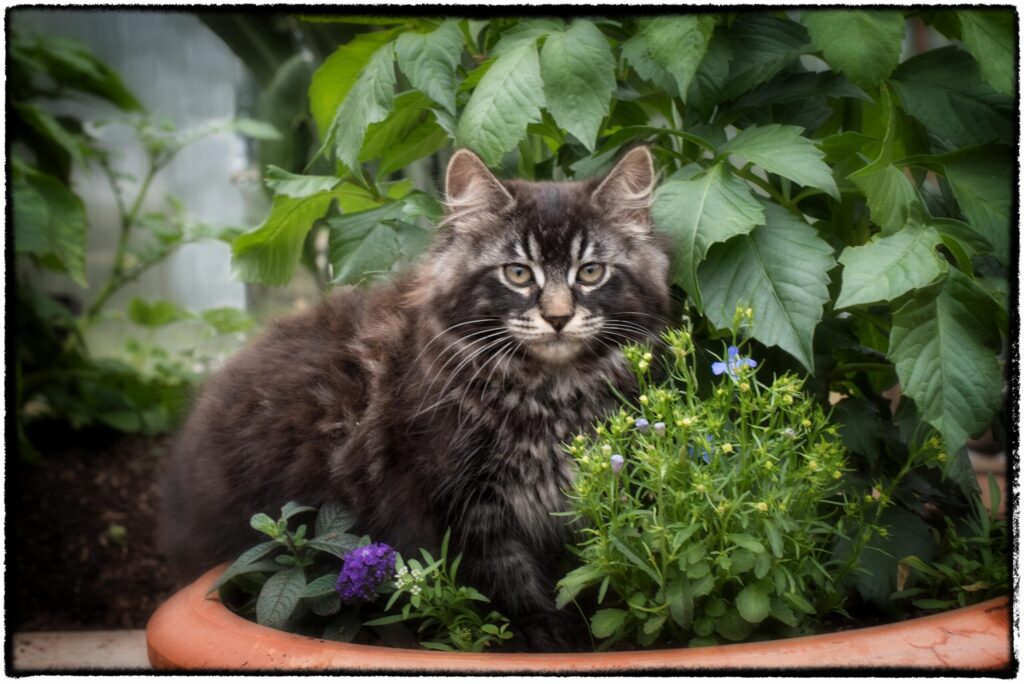
Photos courtesy of Lundberg Siberians – copyrighted, use prohibited. Allergen information is provided by KittenTesting. Please provide a website link to information from these pages.